Pages

Follow on FaceBook

Tuesday, March 20, 2018

តើការគេងមិនគ្របគ្រាន់ផ្តលគុណវិបត្តិអ្វីខ្លះ


ថ្ងៃទី 16 ខែមីនាគឺជាថ្ងៃទិវាគេងអន្តរជាតិ ​​​​​​(World Sleep Day) សមាគមនៃទិវាគេងអន្តរជាតិ (World Sleep Society) ត្រូវបានបង្កើតឡើងដើម្បីផ្តល់នូវសកម្មភាពដែលលើកទឹកចិត្តអោយមនុស្សគេងលក់ស្រួល  នៅក្នុងលក្ខខណ្ឌនៃការគេងដែលកើតមានចំពោះមនុស្សនៅជុំវិញពិភពលោក។
អ្នកស្រាវជ្រាវនៅសាកលវិទ្យាល័យមីឈីហ្គេន ( Michigan university ) នៅសហរដ្ឋអាមេរិកបានបោះពុម្ពផ្សាយការសិក្សាមួយនៅក្នុងទស្សនាវដ្តី Science Advance ដែលពណ៌នាអំពីទម្លាប់នៃការគេងនៅទូទាំងពិភពលោកដោយប្រើទិន្នន័យពីកម្មវិធីទូរស័ព្ទ ( Application )សម្រាប់ការវិភាគ អ្វីដែលពួកគេហៅថាវិបត្តិការគេងលក់តិចតួចបំផុតរបស់មនុស្សនៅជុំវិញពិភពលោក។
·        តើអ្នកចំណាយពេល ប៉ុន្មានម៉ោងទើបគេងលក់?
·        តើមានអ្វីកើតឡើងចំពោះខួរក្បាល​​?
ការសិក្សាបានរកឃើញថាជនជាតិហូឡង់មានពេលគេងច្រើនជាងជនជាតិ សិង្ហបុរីនិងជប៉ុន​​  ប្រជាជននៅប្រទេសសិង្ហបុរីនិងជប៉ុនមានម៉ោងគេងជាមធ្យម 7 ម៉ោងនិង 24 នាទីក្នុងមួយដំណេក  ខណៈប្រជាជនហូឡង់ដេក 8 ម៉ោង 12 នាទីប្រជាជននៅចក្រភពអង់គ្លេសមានការគេងតិចជាង 8 ម៉ោងនិងតិចជាងម៉ោងដែលប្រជាជនបារាំងគេង
ការស្រាវជ្រាវក៏បានរកឃើញថាស្ត្រីដែលមានអាយុជាមធ្យមពី 30 ឆ្នាំទៅ 60 ឆ្នាំមានការគេងយូរជាងបុរស ដល់ទៅ​ 30​នាទី ហើយអ្នកដែលធ្វើលំហាត់ប្រាណ ហាក់ដូចជាគេងលក់លឿនជាងអ្នកដទៃ។ មនុស្សវ័យក្មេងមានឥរិយាបថនៃការគេងនិងភ្ញាក់ខុសគ្នាខ្លាំងបំផុត ភាពខុសគ្នានេះនឹងថយចុះនៅពេលមនុស្សកាន់តែចាស់។
លោកសាស្ត្រាចារ្យ Daniel Forrez ដែលជាអ្នកស្រាវជ្រាវម្នាក់បាននិយាយថាបញ្ហាសង្គមបរិស្ថាននិងបច្ចេកវិទ្យានាំឱ្យមនុស្សគេងយប់ជ្រៅ ប៉ុន្តែនាឡិកានៃរាងកាយរបស់យើងចង់ឱ្យយើងក្រោកពីព្រលឹម​ អ្វីដែលកំពុងកើតឡើងចំពោះមនុស្សជាច្រើននៅជុំវិញពិភពលោកគឺជាការរំលោភលើច្បាប់ធម្មជាតិរបស់ពួកគេ ហើយវាអាចបណ្តាលឱ្យមានបញ្ហាជាច្រើន។
ទាំងនេះត្រូវគ្នាទៅនឹងគំនិតរបស់សាស្រ្តាចារ្យ Matthew Walker អ្នកនិពន្ធ សៀវភៅ ​ ​ហេតុអ្វីយើងគេង’’( Why We Sleep ) ដែលមើលឃើញជំងឺទាំងអស់ដែលសម្លាប់មនុស្សនៅក្នុងពិភពទំនើប ចាប់តាំងពីជំងឺមហារីក ទៅរកជំងឺ Alzheimer  គាំងបេះដូង  ជំងឺទឹកនោមផ្អែម  ធាត់  ជំងឺដាច់សរសៃឈាមក្នុងខួរក្បាល  ឬសូម្បីតែធ្វើអត្តឃាត ទាំងនេះមានទំនាក់ទំនងយ៉ាងសំខាន់ សម្រាប់ការគេងមិនគ្រប់គ្រាន់ ដោយការដេកមិនគ្រប់គ្រាន់។
 សាស្រ្តាចារ្យ Matthew Walker មើលឃើញថាពិភពលោកទំនើបពោរពេញទៅដោយការបំពុលពន្លឺ  ធ្វើឱ្យមនុស្សរស់នៅមិនឈប់ 24 ម៉ោងក្នុងមួយថ្ងៃដែលផ្ទុយនឹងនាឡិកា circadian នៅក្នុងខ្លួនយើង  និងបានរំខានការគេង​ ដូចដែលបានណែនាំដោយអង្គការសុខភាពពិភពលោក

Tuesday, March 13, 2018

សៀវភៅ 5 ក្បាលដែលអ្នក ស្វែងរកការងារទាំងអស់គួរអានមុននឹងបញ្ជូនCV

ពីមួយឆ្នាំទៅមួយឆ្នាំមានមនុស្សមិនតិចទេដែលបានផ្លាស់ប្តូនិងស្វែងការងា​ ​​​ក្នុងនោះក៏មានសិស្សនិសិស្សផងដែរ

ប្រាកដណាស់ថាការផ្ញើ CV និងការសម្ភាសន៍ការងារគឺជារឿងដែលមិនអាចប្រហែសបាន ។ ប៉ុន្តែ អ្វីដែលគួរឱ្យភ័យខ្លាចជាងនេះ គឺការស្វែងរកនូវអ្វីដែលអ្នកចង់បានពិតប្រាកដ៏ និងរបៀបដែលអ្នកអាចរួមចំណែកល្អបំផុតក្នុងអង្គភាពនឹងពិភពលោកទាំងមូល។

អ្នកពិបាករកការងារដំបូងបង្អស់ដើម្បីស្វែងរកខ្លួនឯងនៅក្នុងតំណែងនេះ។ មានសៀវភៅរាប់រាប់រយសម្រាប់មនុស្សដូចអ្នក។ ខាងក្រោមនេះយើងបានលើកយកសៀវភៅ​​ 5 ក្បាលដែលល្អបំផុតដែលអាចជួយឧ្យអ្នក ស្វែងរកការងារដោយមានទំនុកចិត្ត។
1. Designing Your Life     សរសេរដោយ  Bill Burnett  និង  Dave Evans

សៀវភៅនេះសរសេរដោយសាស្រ្តាចារ្យនៃសាកលវិទ្យាល័យ​​​ Stanford គឺជាសៀវភៅលក់ដាច់បំផុត ដែលធានានូវការផ្តល់អំណាចនិងបំភ្លឺដល់នរណាម្នាក់ដែលកំពុងស្វែងរកដំណើរការការងារ។

អ្នកនិពន្ធចែករំលែកបទពិសោធន៍រួមជាមួយលំហាត់ដើម្បីជួយអ្នករកមើលថាតើអាជីពណាដែលសមនឹងអ្នកបំផុតដូចជា mind mapping និង ​Odyssey planning

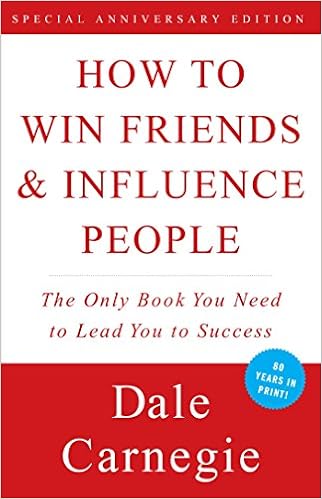
2. How to Win Friends and Influence People សរសេរដោយ Dale Carnegie


Image result for how to win friends and influence people

 ជិតមួយសតវត្សបន្ទាប់ពីការបោះពុម្ពផ្សាយដើមរបស់វាសៀវភៅនេះនៅតែបន្តជា សៀវភៅដែលល្អបំផុត ក្នុងចំណោមមនុស្សដែលកំពុងអភិវឌ្ឍន៍ដើម្បីក្លាយជាអ្នកដឹកនាំ

លោក Warren Buffett បាននិយាយថាសៀវភៅនេះបានជួយគាត់ឱ្យយកឈ្នះលើភាពឆ្គាំឆ្គងក្នុងសង្គមរបស់គាត់ហើយទីបំផុតបានផ្លាស់ប្តូរជីវិតរបស់គាត់។

Carnegie បានផ្តល់ដំបូន្មានដល់អ្នកអានអំពីវិធីធ្វើឱ្យមានទំនាក់ទំនង ជាមួយអ្នកដទៃ ប្រហែលជាសំខាន់បំផុតដោយអនុញ្ញាតឱ្យពួកគេនិយាយពីខ្លួនឯង Dale Carnegie បានប្រមូលនូវមេរៀនសំខាន់ៗមួយចំនួនដូចជាទទួលស្គាល់នូវកំហុសរបស់អ្នកហើយជៀសវាងការរិះគន់ថ្កោលទោសឬត្អូញត្អែរ

3. Pivot សរសេរដោយ Jenny Blake


Image result for pivot by jenny blake

Jenny Blake គឺជាអតីតបុគ្គលិក Google នាងបាន នាងបានផ្លាសប្ដូការងារច្រើនលើកច្រើនសាមុនពេលដែលនាងធ្វើការនៅក្រុមហ៊ុនបច្ចេកវិទ្យាយក្ស (Google)

 នៅពេលនាងចាកចេញដើម្បីចាប់ផ្តើមអាជីវកម្ម consulting business នាងដឹងពីហានិភ័យរបស់វាច្បាស់

Blake ក៏មានដំបូន្មានក្នុងការកសាងបណ្តាញរបស់អ្នក ឬទទួលយកគម្រោងបន្ថែមពីនរណាម្នាក់ដែលធ្វើការនៅក្នុងផ្នែកដែលអ្នកចង់បាន។ វាគឺជាការណែនាំដែល មានប្រសិទ្ធភាពសម្រាប់អ្នករាលគ្នា នៅគ្រប់ដំណាក់កាលទាំងអស់។

4. The New Rules of Work សរសេរដោយ  Alex Cavoulacos and Kathryn Minshew


Image result for the new rules of work

លោក Cavoulacos និងលោក Minshew ជា COOនិងជា CEO នៃគេហទំព័រការងារឈ្មោះ The Muse ។ នៅក្នុង " The New Rules of Work " ពួកគេបានកំណត់ ដំណាក់កាល ដែលអាចចូលបំរើការ​នឹន​ដំណាក់កាល សំភាសដើម្បីផ្លាស់ប្តូរឡើងឋានៈនៅក្រុមហ៊ុនរបស់អ្នក

5. What Color Is Your Parachute  សរសេរដោយ  Richard N Bolles


Image result for What Color Is Your Parachute

លោក Bolles (ដែលជារដ្ឋមន្រ្តីគ្រឹស្តសាសនា) គ្របដណ្តប់លើ កិច្ចការការសរសេរ ( résumé writing​​ ) កិច្ចការសំភាសន៍ ​( interviewing ) - បានជួយអ្នកអានចង្អុលបង្ហាញពីអាជីពដ៏ល្អរបស់ពួកគេតាមរយៈ  Flower Exercise

លោក Barbara Safani ប្រធានក្រុមហ៊ុនគ្រប់គ្រងអាជីពឈ្មោះ Career Solvers បានប្រាប់កាសែត The New York Times ក្នុងឆ្នាំ 2014 ថាសៀវភៅនេះនៅតែលក់ដាច់បំផុតព្រោះ Bolles មិនត្រឹមតែផ្តោតទៅលើដំណើរការស្វែងរកការងារប៉ុណ្ណោះទេប៉ុន្តែថែមទាំងផ្តោតទៅលើផ្នែកខាងផ្លូវចិត្តផងដែរ


Wednesday, March 7, 2018

I don’t know what happened to your artwork that was hanging on the fridge

7. “I don’t know what happened to your artwork that was hanging on the fridge.”
You know what happened to it because you threw it away. You can’t keep every piece of artwork because you simply don’t have the space to keep all of it. The best solution is to explain this to your child. Show them the drawer or bin where you do keep the best or most meaningful pieces that they make. They can put things there if they want to make sure they are saved. If the bin gets full, then its time for them to help sort through and recycle the pieces that they no longer want to keep. This gives them responsibility over their artwork, and it also makes you an honest parent.

You are the best artist, great job on your painting

5. “You are the best artist, great job on your painting!”
Don’t bother praising your child when you aren’t sincere. Believe it or not, kids are not as gullible as you think. They can pick up on tone of voice, body language, and know when you aren’t completely being truthful. Instead, you can praise their creativity or the ingenuity in their work. Praise them for something you believe is true about their work and abilities, not an end product that is just mediocre.
6. “Its bed time!”
Its only 7:30 and not really time for bed, since you know their actual bedtime is 8:00. Simple solution: “its time to start getting ready for bed”. Words matter. You may have meant that its time to get ready for bed, but what you said was that “its bedtime”. Once they begin to tell time, you want to make sure you are saying what you mean and mean what you say. Its all about maintaining the trust between you and your child. It may be a little white lie, but lies upon lies mount up to become bigger trust issues.

Some of the Everyday Lies Parents Tell Unconsciously

Here are some examples of lies that parents will often tell their kids, along with better solutions. These are examples to help you brain storm your own solutions to the little lies you may be telling your child on a regular basis.
1. “Santa Clause is watching you.”
Instead of threatening them with Santa not giving them gifts, take away something in the here and now so they know their behavior has immediate consequences. If they are fighting with their sister and you want the fighting to stop so you say Santa is watching (and eventually they will find out you are big fat liar on this one) have a consequence for their behavior. Have a realistic punishment like taking away electrics for a few hours or giving them a time out period. The one ask parenting method works well for siblings fighting and is explained in this article: Effective Way of Talking with Children.
2. “I will never let anything bad happen to you.”
This may be your intention, but it may not be possible. You can’t protect your child 100% of the time. Instead, use the truth, but frame it so the child does feel protected, yet aware of real dangers. Saying something like “I will always try to protect you, but there are bad people out there so that’s why I don’t want you to wander away from me in a store, as there are kids that are taken from their Mommies and Daddies. I am here to protect you, but if you wander away, then I am not there and you could be putting yourself in danger”. It may be scary, but its also a truthful reality. You don’t want to cause them any undue anxiety, so choose your words carefully. Let them know although kidnappings are rare, it is still something all kids and parents should be aware of, so that they are cautious of strangers when out it public.
3. “The park is closed.”
You know very well the park is open, but you don’t have time to take the kids to the park because you have errands to run. Instead of lying, be honest. “Mommy can’t take you to the park today because we have to get groceries for the week so we can have meals and I have some other important errands that have to be done today.” They may whine and complain, but that’s ok, they will learn the reality of life is that they can’t have everything that they want all the time. Telling the truth also helps make you an honest parent and not a liar, because eventually they will get old enough and realize you are lying about the park being closed.
4. “It won’t hurt, I promise”

They need to get a shot from the doctor, but they are screaming and you want the screaming to stop so they can get the shot. However, they are screaming because they know you are lying. You said it wouldn’t hurt the first time they got shots. They know better. They learned from the pain that you lied. Don’t lie. Let them know it will be a small poke, a little pain, but then its over and they get a sucker. Explain that they need the shot, for whatever health reason. Don’t be a liar. This one will quickly make you the bad guy because if you tell them it won’t hurt and hurts immensely you are the one to blame. The reality is that shots do hurt, but the pain does go away, so lead with that bit of truth and you will find them trusting you more, not less.

Over time

You can use excel or mood apps such as Mr Mood which can help you see correlations more clearly. Try it out for a few days but keep it general – try to not rate your mood by the hour as it’s more likely to fluctuate in smaller time frames. Instead rate your overall mood of the day along with the events that occurred.
Over time, although fluctuations still exist, you’ll see your mood is boosted overall as you cultivate more positive experiences and curb negative ones once you identify what they are. Previously bad weather made you feel sad, now you still feel a bit sad but you know how to make fun out of it by staying at home doing things you’ve always wanted to do but postponed. Previously you would only be happy when your manager noticed your efforts and recognized you. Now you realize how important recognition is to you after marking down your mood every day. And you’ve decided to recognize yourself whenever you think you’re worth it, even if no one noticed your efforts.

3 things to mark down every day

3 things to mark down every day

Throughout any given day, write down the following:
  1. Your general emotion of the day
  2. The events of the day
  3. The link between your emotion and what happened
You’ll notice your emotions fluctuate on different days. This is completely normal. After all, we’re human and it can be difficult to control what happens to us and how we respond to them so it’s important to give yourself a bit of understanding.

Emotions should be approached like money

Emotions should be approached like money

People treat money with so much importance yet they can be so dismissive of their emotions and how they affect them. When we have less money than we’d like, we’ll automatically tune our spending and keep track of where it’s going and how much we have – adapting our spending habits accordingly. In other words, if one doesn’t keep track then there’s no way to tune and improve it.

This is how emotions should be approached. By putting the same importance on how we feel, acknowledging why we feel a certain way and what’s caused it, we’re able to tune better into identifying and handling emotions in a more positive way.

Habitica

How to Be an Effective Leader (A Step-By-Step Guide to Upgrade Your Leadership Skills)

A leader has to be a person capable of juggling many huge demands at a time, they have to consider the opinions, needs, and wants of all around them. They need to be a person not only capable of making difficult decisions, but the right difficult decision. At the same time, they need to know how to look after their team, while pushing them forward to achieve greatness.
This article serves as an introduction to effective leadership and will give you a step by step guide on how to become an effective leader.

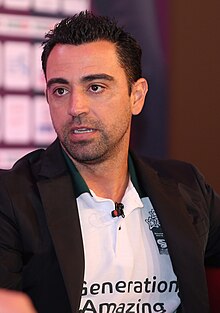
Xavier Hernández Creus

Xavi Hernandez (31521652051).jpg
Xavier Hernández Creus (Catalan: [ˈ(t)ʃaβi ərˈnandəz ˈkɾɛws] Spanish: [ˈtʃaβj erˈnandeθ ˈkɾeus]; born 25 January 1980) is a Spanish professional footballer who plays as a central midfielder for Qatari club Al Sadd SC. He is known for playing for the Spain national teamand Barcelona.
Xavi came through La Masia, the Barcelona youth academy, at age 11 and made his first-team debut against Mallorca in August 1998. Since then, he has played 700 matches, scored 82 goals and made more than 180 assists for over 50 players. Xavi is the first player in Barcelona's history to play 150 international matches.[3] Highly regarded for his humble persona and team ethos, Xavi is viewed as being the embodiment of the tiki-taka passing style of play, and is widely considered to be one of the greatest central midfielders of all time.[4][5][6][7] He is also considered by many to be the greatest Spanish player ever.[6][8][9]

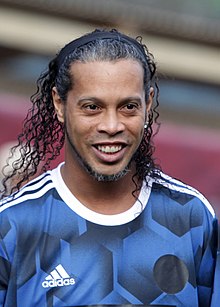
Ronaldo de Assis Moreira

Ronaldinho Kazan.jpg
Ronaldo de Assis Moreira (born 21 March 1980), commonly known as Ronaldinho (Brazilian Portuguese: [ʁonawˈdʒĩɲu]) or Ronaldinho Gaúcho,[note 1] is a Brazilian former professional footballer and ambassador for Spanish club Barcelona.[4] He played mostly as an attacking midfielder, but was also deployed as a forward or a winger. He played the bulk of his career at European clubs Paris Saint-GermainBarcelona and Milan as well as playing for the Brazilian national team. Often considered one of the best players of his generation and regarded by many as one of the greatest of all time,[note 2] Ronaldinho won two FIFA World Player of the Year awards and a Ballon d'Or. He was renowned for his technical skills and creativity; due to his agility, pace and dribblingability, as well as his use of tricks, overhead kicks, no-look passes and accuracy from free-kicks.